.webp)






Gacha Club is often misunderstood as a simple dress-up game, but in reality it is a flexible creative platform that blends character design, storytelling tools, and light RPG mechanics. Players who only tap randomly through menus often feel stuck or overwhelmed, while those who approach the game step by step unlock its full potential. Knowing how to use Gacha Club properly makes the difference between messy characters and clean designs, between confusing scenes and clear stories.
This “how to” article explains Gacha Club as a complete process. It does not review features or list updates. Instead, it teaches you what to do first, what to focus on next, and how to improve over time. Whether your goal is character creation, storytelling, or casual gameplay, this guide walks you through each stage logically and practically.
1. How to Understand What Gacha Club Is Designed For
Before creating anything, you must understand the purpose of Gacha Club. The game is divided into creative tools and optional gameplay systems. Studio mode and character customization are the core experience, while battle and training modes exist to add progression and unlock bonuses.
Many beginners feel confused because they try to use everything at once. The key is realizing that Gacha Club does not force one playstyle. You can focus entirely on design and storytelling, or you can engage with battles to unlock resources faster.
Once you understand this flexibility, the game becomes less overwhelming. You stop asking what you “should” do and start choosing what supports your creative goals.
2. How to Plan a Character Before Customizing Anything
Strong characters start with planning, not sliders. Random customization often leads to cluttered designs that feel inconsistent. Before touching hairstyles or outfits, decide who the character is.
Define the character’s role, personality, and general vibe. Are they calm, aggressive, cheerful, shy, or mysterious? This mental framework guides all later decisions and prevents design confusion.
Planning does not mean restricting creativity. It gives direction, allowing you to make intentional choices instead of endless trial and error.
3. How to Create Clean and Balanced Character Designs
Clean designs rely on balance. Many new players overload characters with bright colors and accessories, which makes them visually noisy.
Start with a limited color palette. Two or three main colors create cohesion. Use accent colors sparingly to highlight important details like eyes or accessories.
Check proportions carefully. Slight adjustments to head size, eye placement, or body scale can dramatically improve the final look. Take your time here, because small changes matter.
4. How to Use Facial Features and Expressions Correctly
Faces communicate personality more strongly than outfits. Gacha Club offers detailed facial controls, but they must be used deliberately.
Match eyebrows, eyes, and mouth shapes to the character’s emotion. Sharp angles suggest confidence or anger, while rounder shapes suggest friendliness or innocence. Avoid mismatched expressions that confuse the viewer.
Expressions should also change with context. A neutral face for every scene makes stories feel lifeless. Learning to swap expressions improves storytelling instantly.
5. How to Design Outfits That Support the Character
Outfits should reinforce character identity, not distract from it. Start with basic clothing layers before adding accessories.
Make sure clothing styles match. Mixing futuristic armor with casual outfits often looks awkward unless done intentionally. Consistency is more important than complexity.
Accessories should serve a purpose. If an item does not add to the character’s story or role, it likely does not belong in the design.
6. How to Build Clear Scenes in Studio Mode
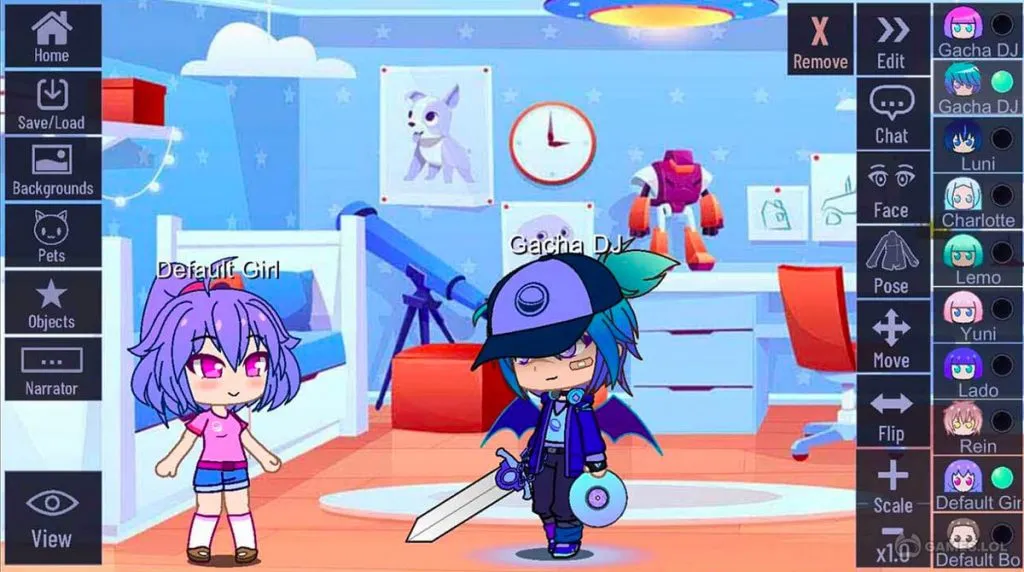
Studio mode is where characters come alive, but clarity is essential. Overcrowded scenes confuse viewers and weaken storytelling.
Limit scenes to necessary characters. Position them so faces and bodies are visible. Avoid heavy overlap unless it supports interaction.
Backgrounds should support the scene, not dominate it. Simple backgrounds often work better than detailed ones, especially for dialogue-focused scenes.
7. How to Tell Stories Using Poses and Positioning
Storytelling in Gacha Club is visual. Poses, spacing, and expressions must communicate emotion without relying solely on text.
Change poses between moments to show progression. Even small shifts in arm or head position suggest movement and reaction.
Camera framing matters. Closer shots emphasize emotion, while wider shots establish setting. Consistent framing helps scenes feel connected.
8. How to Organize Characters and Projects Efficiently
As your projects grow, organization becomes essential. Without structure, characters get overwritten or lost.
Group characters by story or universe. Use clear naming conventions so you always know who belongs where.
Export and back up important characters. Losing designs can undo hours of work, and backups protect your progress.
9. How to Use Battle Mode Without It Taking Over
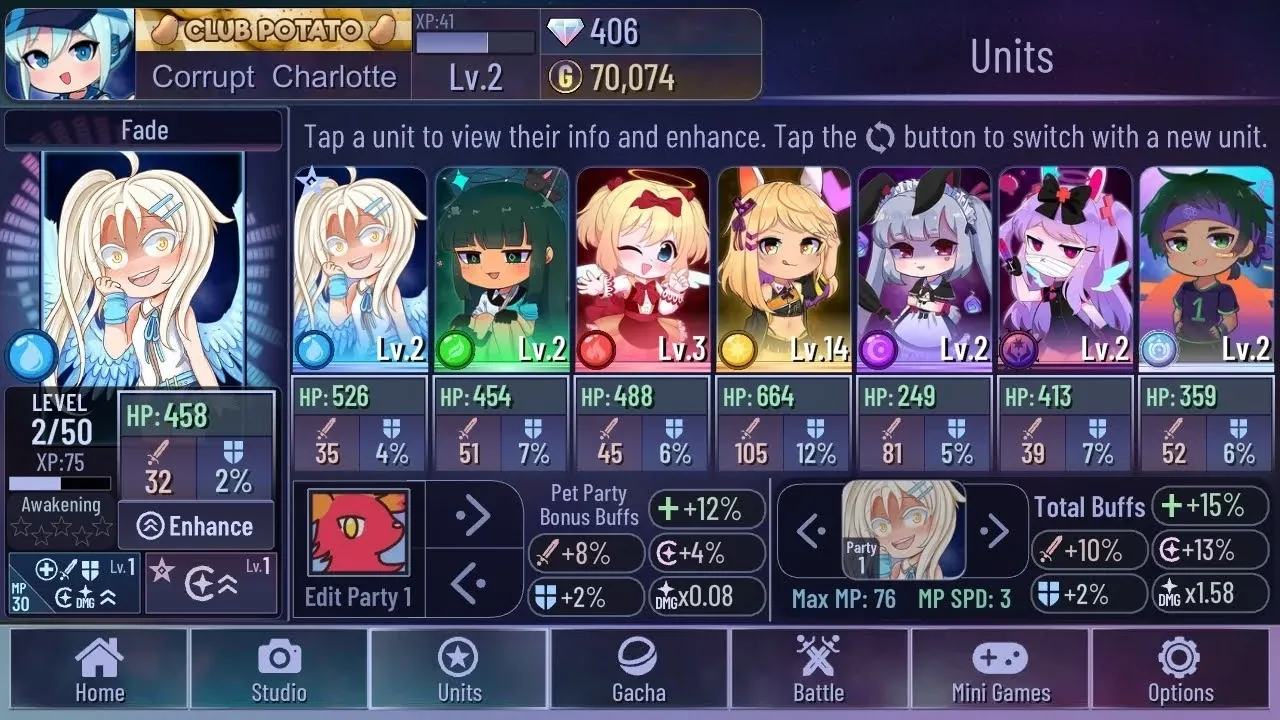
Battle mode is optional but useful. It provides gems, levels, and unlocks that support customization.
You do not need to grind heavily. Simple, balanced teams are enough to earn rewards over time.
Treat battle mode as a support system, not the main focus, unless you genuinely enjoy it.

10. How to Improve Your Skills and Avoid Burnout
Improvement comes from iteration. Revisit old designs and refine them instead of constantly starting new ones.
Study other creators for inspiration, not comparison. Learn why designs work instead of copying them directly.
Avoid burnout by setting small goals. Gacha Club should remain fun, not stressful. Creativity thrives when pressure is low.
Conclusion
Gacha Club is a creative toolkit disguised as a simple game. When approached step by step, it becomes a powerful platform for character design and storytelling. Understanding its structure, planning designs, and using studio tools intentionally transforms random experimentation into confident creation.
By focusing on clarity, balance, and purpose, you unlock the full potential of Gacha Club. Whether you create characters, stories, or scenes, this structured approach helps your ideas come to life.
160-character summary:
A step-by-step guide on how to design characters, build scenes, and use Gacha Club effectively for creative storytelling and customization.